What Is CGM? How Continuous Glucose Monitoring Works

CGM stands for continuous glucose monitoring. A small wearable sensor estimates glucose throughout the day and night, helping you see changes between individual blood sugar tests. It can answer a practical question that a single reading cannot: is your glucose staying steady, rising, or falling?
If you are comparing devices for the first time, start with how the system works before choosing a brand. A sensor, a phone app and an insulin pump do different jobs, even when they communicate with each other.
What does a CGM actually measure? Most wearable CGMs measure glucose in interstitial fluid, the fluid around cells beneath the skin. A finger-prick meter measures glucose in a blood sample. This distinction matters because the two readings do not always match, particularly when glucose changes quickly.
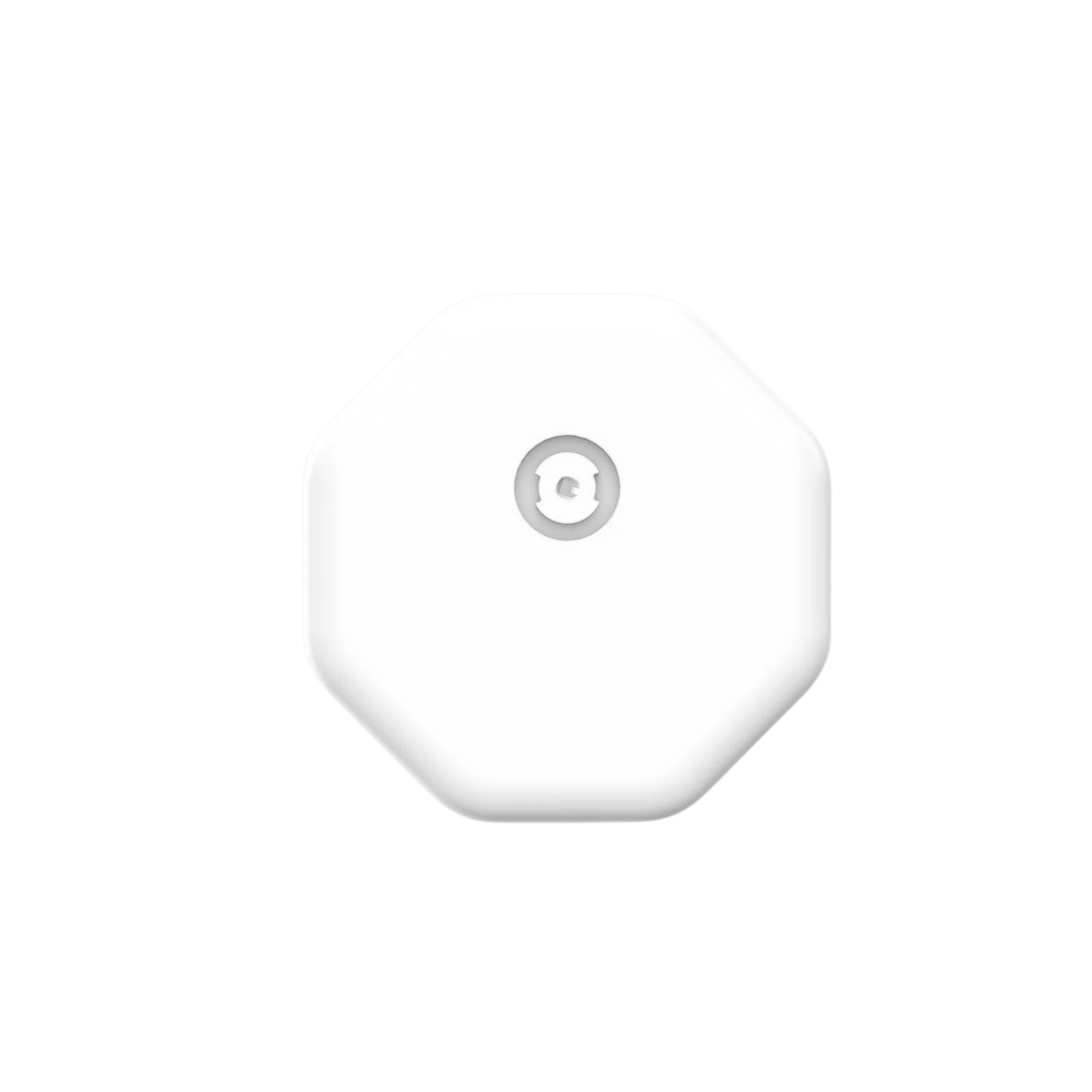
The sensor does not continuously draw blood. A small sensing element sits under the skin, while the wearable housing is secured to the surface. In an implantable system, a trained healthcare professional places the sensor beneath the skin.
The three parts of a CGM system The sensor detects glucose. The transmitter sends information wirelessly. A display, usually a compatible phone app or dedicated reader, shows the results. Some products combine the sensor and transmitter into a single disposable unit. Others use a separate transmitter, so a box labelled “sensor” may not contain everything needed to begin.
Before ordering, write down the exact system name and the items included. Check whether you need a reader, a supported phone, a separate transmitter or an account in the manufacturer’s app.
Understanding the screen The current number is only one part of the display. Trend arrows describe the direction of recent glucose changes. A graph shows the pattern across time. Supported alarms may notify you of high or low readings, but they depend on correct setup and the device’s instructions.
An arrow is not a universal instruction to take extra insulin. Ask your diabetes team how to respond to alerts within your own treatment plan. The same reading can need a different response depending on recent insulin, food, activity and symptoms.
Is a CGM the same as an insulin pump? No. A CGM monitors glucose. An insulin pump delivers insulin. Some approved systems connect the two using an algorithm, but buying a standalone glucose sensor does not provide insulin delivery.
What to check before your first sensor Confirm your phone model, operating system, product region and permitted application site. Arrange training, keep a backup glucose meter and check how replacement sensors will be supplied. Decide who will help if the app stops working or an alert sounds at night.
You can browse CGM devices in Pakistan once you know which features your care plan requires. Treat the purchase as an ongoing monitoring arrangement, including supplies and support, rather than a one-time gadget purchase.
Related guides
CGM vs Glucometer: Why Readings Differ and When to Check
How to Choose a CGM System: Brands, Features and Support
Sources
NIDDK: Continuous glucose monitoring
Dexcom: When sensor and meter readings differ
Prepared by CGM Pakistan. Sources checked 8 November 2026. This educational guide has not been independently reviewed by a clinician. Follow the instructions for your supplied device and your healthcare professional’s advice.